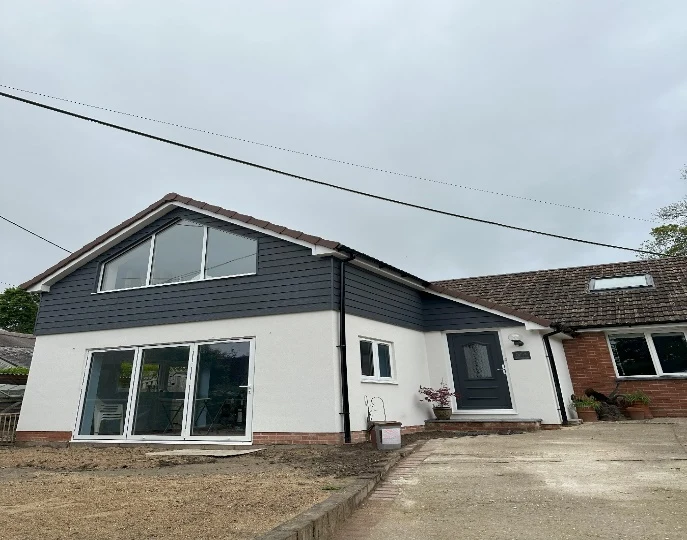

Navigating the maze of planning permissions is a pivotal step for property developers, architects, and homeowners alike. In the realm of construction and development, understanding and securing the right planning permissions is not just a legal necessity; it’s a foundation for project success. N.A. Williams Building Consultancy, with over 30 years of experience in Dorchester and surrounding areas, offers this essential guide to simplify the planning permission process.
Understanding Planning Permissions
Planning permissions are approvals required from local authorities before the construction, extension, or significant alteration of buildings and land use. They ensure that developments are suitable for their environment, adhering to local planning policies and regulations.
Why Planning Permissions Matter
Without the correct permissions, projects face legal challenges, potential fines, and the requirement to reverse any unapproved work. Securing planning permission is therefore crucial to avoid costly setbacks and ensure your project proceeds smoothly.
Step 1: Research and Preliminary Checks
Know Your Zone: Each local council has specific planning policies. Begin by researching the Local Development Plan (LDP) to understand the zoning and restrictions applicable to your site.
Pre-application Advice: Many councils offer pre-application consultations for a fee. This service provides tailored advice on your proposal’s likelihood of approval, saving time and resources.
Step 2: Prepare Your Application
Collate Required Documents: A typical application includes detailed plans, drawings, and a Design and Access Statement explaining the project’s design rationale and its accessibility.
Engage Professional Help: Consider enlisting an experienced building consultancy like N.A. Williams. Our expertise can guide the preparation of your application, ensuring all necessary details are accurately presented and increasing the chance of approval.
Step 3: Submit Your Application
Applications can usually be submitted online via the Planning Portal. Ensure you have included all required documentation and paid the appropriate fee, as incomplete applications can lead to delays.
Step 4: The Decision Process
Once submitted, your application will be publicized by the local authority, allowing neighbours and interested parties to view and comment. The council will consider your proposal against local planning policies, the impact on the neighbourhood, and any objections raised.
Common Pitfalls and How to Avoid Them
- Underestimating Local Policy: Ensure your development aligns with local planning policies. Misalignment is a common reason for refusal.
- Ignoring Neighbour Concerns: Engage with neighbours early. Addressing potential objections can smooth the process.
- Overlooking Environmental Impact: Modern developments must often include sustainability and biodiversity enhancements. Include these in your planning to avoid objections.
The Role of Professional Building Consultancy
A professional building consultancy like N.A. Williams offers invaluable expertise in navigating planning permissions. Our services include:
- Feasibility Studies: Assessing the viability of your project before you commit significant resources.
- Application Preparation and Submission: Handling the intricate details of your application to ensure compliance and maximise approval chances.
- Liaison with Local Authorities: Our established relationships with councils can facilitate smoother communication and negotiation.
Securing planning permission is a detailed and sometimes daunting process, but with the right preparation and professional support, it can be navigated successfully. Whether you’re embarking on a residential extension, a new commercial development, or a community project, understanding the steps involved in obtaining planning permission is crucial.
N.A. Williams Building Consultancy stands ready to support your projects in Dorchester, Weymouth, and beyond, from initial concept through to planning approval. Contact us today to discuss how we can bring your vision to life within the parameters of local planning regulations, ensuring a successful and compliant development.