
Whether you’re envisioning the construction of your dream home or planning a commercial venture, the foundation of any successful construction project lies in the building plans. Understanding the distinctions, requirements, and considerations between residential and commercial building plans is essential to ensure that your project aligns with your goals and local regulations. In this comprehensive guide, we will explore the differences and key aspects of both residential and commercial building plans to help you make informed decisions tailored to your specific needs.
Introduction
Building plans serve as the blueprint for any construction project, outlining every detail from design and layout to structural elements and compliance with regulations. Whether you’re considering residential or commercial construction, it’s vital to have a clear understanding of what each entails to set your project on the right path.
Residential Building Plans
Definition and Characteristics
Residential construction primarily involves the creation of spaces for individuals and families to call home. This category encompasses various types of residential buildings, including single-family homes, multi-family units, apartments, and condominiums.
Key Considerations for Residential Building Plans
1. Layout and Design
Residential building plans place a strong emphasis on creating functional and comfortable living spaces. Homeowners often have the flexibility to customize their plans to suit their preferences, incorporating architectural styles and aesthetics that reflect their unique tastes.
2. Zoning and Regulations
Residential projects must comply with local zoning laws and building regulations. Understanding these regulations is essential for securing the necessary permits and approvals for your project to proceed smoothly.
3. Structural Requirements
Structural elements in residential building plans include the choice of foundation, roofing materials, flooring options, and insulation. Energy efficiency and comfort are critical considerations.
4. Cost and Budgeting
Budget considerations are vital for residential projects. Homeowners need to factor in costs for materials, labor, permits, and other expenses. Various financing options, including mortgages, are available to help fund residential construction.
Commercial Building Plans
Definition and Characteristics
Commercial construction involves creating spaces for business purposes, such as office buildings, retail establishments, industrial facilities, and more. Unlike residential projects, commercial construction serves the needs of enterprises and organizations.
Key Considerations for Commercial Building Plans
1. Space Utilization and Efficiency
Commercial building plans prioritize maximizing usable floor space to accommodate business operations. These plans must align with zoning laws specific to the intended commercial use, and they often involve considerations for accessibility and parking requirements.
2. Regulatory Compliance
Commercial construction is subject to stringent building codes and regulations that vary depending on the type of business and its location. Special permits, licenses, and compliance with safety and ADA requirements are crucial.
3. Structural Complexity
Commercial buildings are often architecturally and structurally complex. Plans encompass HVAC systems, plumbing, electrical requirements, and considerations for fire safety and emergency exits.
4. Project Financing and ROI
Budgeting for commercial projects is a multifaceted process, considering factors such as construction costs, lease agreements, and tenant improvements. Businesses evaluate their return on investment (ROI) when embarking on commercial construction projects.
Comparative Analysis
To make an informed decision about residential or commercial construction, it’s essential to understand the key differences between the two:
- Residential projects emphasize comfort and customization, while commercial projects prioritize efficiency and regulatory compliance.
- Residential construction budgets include considerations for homeowner financing, while commercial budgets involve business financing and ROI assessments.
- Residential building plans cater to individual preferences, while commercial plans align with specific business needs and zoning regulations.
Case Studies
Let’s take a closer look at two case studies to illustrate the differences between residential and commercial construction:
Case Study 1: Residential
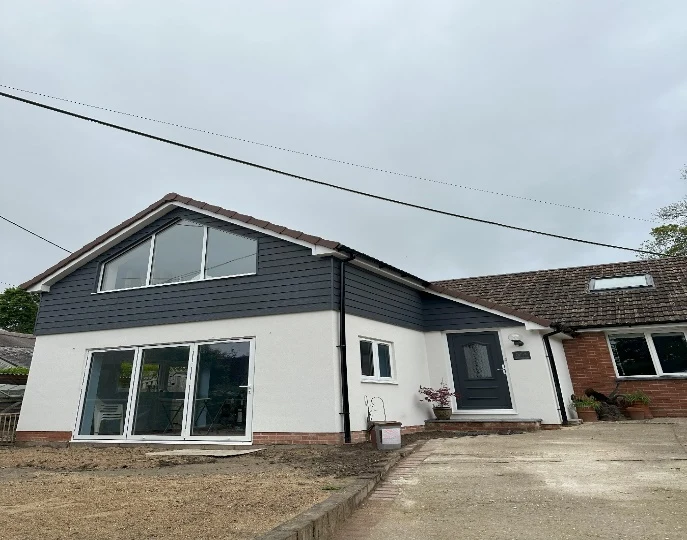
In a residential project, a family in Dorchester, UK, chose to build a custom-designed single-family home. They had the freedom to personalize their living space, selecting materials and layouts that suited their lifestyle while ensuring compliance with local zoning and building codes.
Case Study 2: Commercial
In contrast, a Dorchester-based business decided to construct a new retail store. Their commercial building plans needed to adhere to strict zoning laws for retail establishments, including considerations for parking, accessibility, and safety.
Conclusion
Whether you’re considering residential or commercial construction, the building plans form the backbone of your project. Understanding the differences and key considerations for each type of construction is essential for making informed decisions and ensuring a successful outcome. While residential projects offer customization and comfort, commercial projects prioritize efficiency and compliance. By aligning your building plans with your specific goals and local regulations, you can embark on a construction project that suits your needs and aspirations, whether it’s a place to call home or a thriving business space in Dorchester, UK.