
When commissioning a building survey, many property owners focus on major visible issues such as roof condition, damp, cracking, structural movement, or insulation. While these areas are important, smaller external components can also have a major impact on the long-term condition of a building.
One of the most important areas to inspect is the rainwater system.
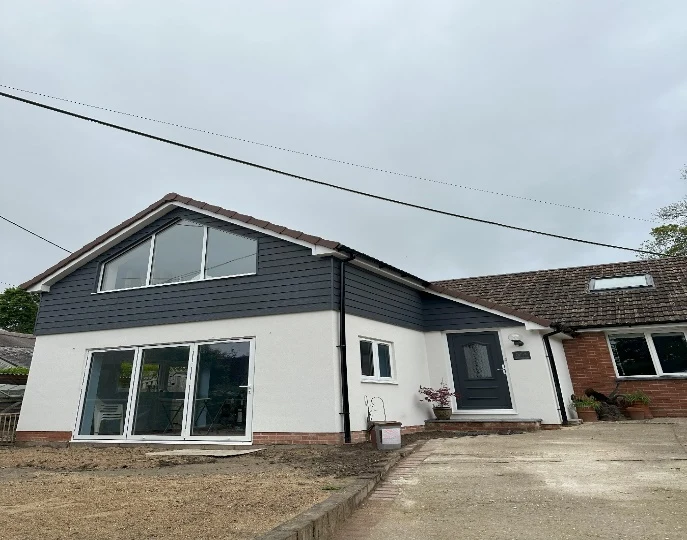
Guttering, downpipes, hoppers, outlets, and drainage connections all help move water safely away from the property. If they are damaged, blocked, undersized, or poorly installed, they can contribute to damp, staining, timber decay, masonry damage, and foundation issues.
At NA Williams Building Consultancy, we understand that the condition of a property depends on how each element works together. A building survey should look not only at existing defects, but also at the risks that could lead to future deterioration.
The Link Between Guttering and Building Defects
Rainwater can cause serious damage when it is not properly controlled. Overflowing gutters may allow water to run down external walls, saturate brickwork, damage render, and increase the likelihood of internal damp.
Leaking joints or cracked sections can also create concentrated water discharge in one area. Over time, this may lead to staining, erosion, frost damage, or deterioration of external finishes.
For older buildings, this can be particularly concerning, as repeated moisture exposure can accelerate existing defects.
Common Rainwater Issues Found During Surveys
During a property inspection, common guttering and drainage issues may include:
- Blocked gutters and outlets
- Sagging or misaligned sections
- Leaking joints
- Cracked plastic guttering
- Poorly positioned downpipes
- Inadequate capacity for the roof area
- Missing or damaged brackets
- Discharge onto hardstanding or near foundations
These issues may appear minor at first, but they can create wider building problems if left unresolved.
Why Material Choice Matters
The performance of a rainwater system depends on both design and material quality. Plastic guttering is widely used, but it may become brittle, warped, faded, or damaged over time.
For property owners seeking a more durable option, aluminium guttering can provide a stronger and longer-lasting solution. Suppliers such as Alugutter offer aluminium rainwater systems suitable for residential, commercial, and refurbishment projects.
A high-quality aluminium system can help protect the building envelope and reduce the likelihood of recurring defects.
Planning Repairs and Upgrades
A building survey can help identify whether a rainwater system requires cleaning, repair, adjustment, or full replacement. In some cases, a simple maintenance programme may be enough. In others, upgrading the system may be the more sensible long-term decision.
Where a property has suffered from repeated guttering issues, replacing older components with aluminium guttering from Alugutter can support better rainwater management and help protect external walls, rooflines, and surrounding ground.
Final Thoughts
Rainwater systems may not always be the most noticeable part of a property, but they play a crucial role in protecting the building.
By identifying guttering defects early and specifying appropriate repairs or upgrades, property owners can reduce the risk of damp, decay, and costly future damage.
A professional building survey provides valuable insight into these risks and helps owners make informed decisions about maintaining and improving their property.